Just A Click Away.
Working Holiday Visa Reform and the Agricultural Sector
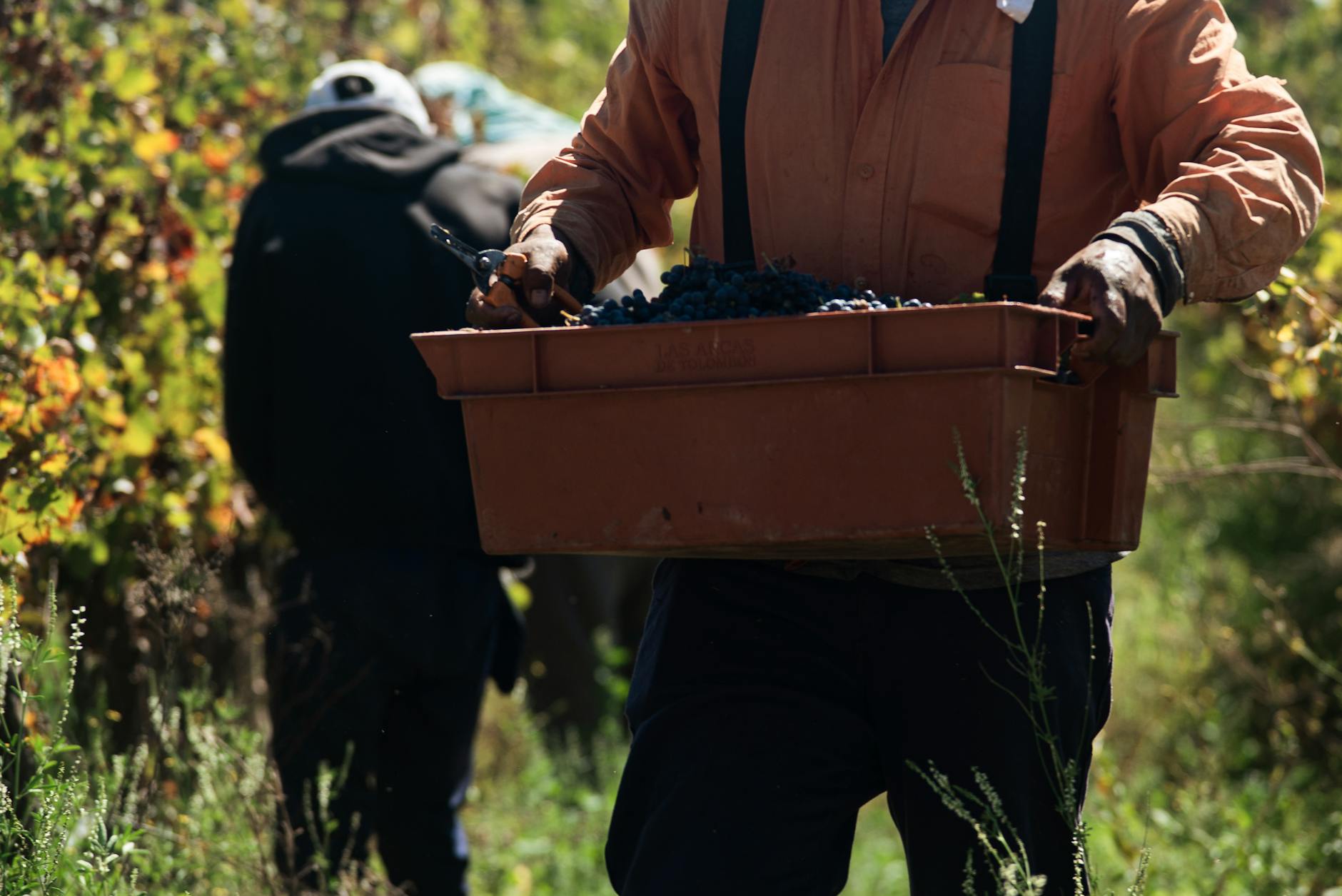
Australia's Working Holiday Maker (WHM) program, administered under the Subclass 417 and Subclass 462 visa frameworks, has long been a critical source of seasonal labour for Australian agriculture. Orchards, vineyards, and vegetable farms across regional Australia rely heavily on WHM visa holders to meet harvest demands that the domestic workforce cannot fill alone.
Recent reports, including coverage by The Weekly Times, indicate that the Australian Government is considering reforms to the ballot process used to allocate Working Holiday visas for certain nationalities. Agricultural industry groups have responded with concern, warning that such reforms could create unpredictability in labour supply at precisely the moments farms need it most.
Important note: As of the date of this article, the specific details and timeline of the proposed reforms have not been officially confirmed by the Department of Home Affairs. This article summarises what has been reported and outlines the potential implications. Readers should monitor official government channels for confirmed policy announcements.
What Is the WHM Ballot Process?
Australia introduced a ballot system for Working Holiday visa applications from certain countries where demand significantly exceeds the annual visa allocation. Under this system, prospective applicants must first enter a ballot before they are invited to lodge a formal visa application. The ballot does not guarantee a visa; it only grants the opportunity to apply.
For agricultural employers and regional businesses, this system introduces a structural challenge. A worker who enters the ballot cannot confirm their availability to an employer until they receive an invitation, and the timing of ballot outcomes does not always align with seasonal labour needs.
Why Agricultural Groups Are Concerned
Agricultural industry representatives have raised the following concerns in response to the reported reform proposals:
- Labour supply unpredictability: If ballot outcomes are delayed or the number of invitations is reduced, farms may face critical shortages during harvest windows that cannot be rescheduled.
- Worker deterrence: Prospective WHM visa holders who cannot predict whether they will receive a visa may choose alternative destinations such as Canada, New Zealand, or the United Kingdom, which operate more accessible working holiday programmes.
- Regional economic impact: Seasonal agricultural labour shortfalls have downstream effects on food production volumes, regional employment, and export income.
The agricultural sector's concerns reflect a broader tension within the WHM programme: the government's interest in managing visa volumes and migration integrity, balanced against industry's need for reliable and timely access to seasonal workers.
Current Pathways for Agricultural Workers Under the WHM Program
Under the existing framework, WHM visa holders who complete a specified number of days of specified work in regional Australia, including agricultural work, may be eligible for a second or third year visa grant. This incentive structure is designed to direct WHM labour toward regional areas and industries facing workforce shortages.
Visa TypeRegional Work RequirementPotential ExtensionSubclass 417 (Year 2)3 months specified workSecond year WHM visaSubclass 417 (Year 3)6 months specified workThird year WHM visaSubclass 462 (Year 2)3 months specified workSecond year WHM visa
Any reform to the ballot process that reduces the pool of eligible first-year WHM visa holders would, by extension, reduce the number of workers who could subsequently qualify for second and third year extensions through agricultural work.
What Regional Employers Should Do Now
- Monitor official announcements: The Department of Home Affairs and the Department of Agriculture, Fisheries and Forestry are the authoritative sources for any confirmed policy changes. Do not rely solely on media reports.
- Diversify labour sourcing: Consider whether your business may be eligible to sponsor workers under the Subclass 403 Temporary Work (International Relations) visa, including the Pacific Australia Labour Mobility (PALM) scheme, which is specifically designed to address agricultural labour shortfalls.
- Review your sponsorship eligibility: Depending on your business size and industry, employer-sponsored visa pathways may be available that do not depend on the WHM ballot system.
- Seek legal advice early: If your seasonal workforce planning depends on WHM visa holders, consult a registered migration lawyer to assess your options before any policy changes take effect.
Key Takeaways
- Proposed reforms to the WHM visa ballot process have not yet been officially confirmed by the Department of Home Affairs.
- Agricultural industry groups are warning that ballot changes could reduce the predictability and availability of seasonal farm labour.
- The WHM programme's second and third year visa incentives for regional agricultural work are structurally linked to first-year ballot outcomes.
- Regional employers should explore alternative labour pathways, including the PALM scheme, and obtain legal advice tailored to their circumstances.
- Policy developments in this area are ongoing. Seek professional guidance rather than acting on unconfirmed media reports.
The content of this article is intended for general informational purposes only and does not constitute legal advice. Immigration law is complex and subject to change. The information provided may not reflect the most current legal developments. For advice specific to your circumstances, please consult a registered Australian migration lawyer. For full terms governing use of this website and its content, please refer to our Website Terms and Conditions.
Speak with a Riverwood Migration Lawyer
As a regulated Australian migration law practice, Riverwood Migration provides precise, personalised advice on visa strategy, compliance, and application preparation. Speak with our expert legal team. Book a consultation to discuss your circumstances.
Stay Informed on Australian Immigration Law
- YouTube: Johnny Kong | Migration Lawyer
- Instagram: @johnny_migrationlawyer
- Facebook: Riverwood Migration
- TikTok: @johnny_migrationlawyer
- Linktree: linktr.ee/johnny_lawyer