Visa Refusal & AAT

Visa Refusal & AAT
The General Skilled Migration program aims to fill skill gaps in the Australian economy by focusing on individuals with skills in the occupation list.
Visa Types
- Skilled Independent (Subclass 189) visa
- Skilled Nominated (Subclass 190) visa
- Skilled Independent (Subclass 189) visa
In-demand Occupations
- Subclass 189: An occupation on the Medium and Long‑term Strategic Skills List of LIN 19/051: Specification of Occupations and Assessing Authorities) Instrument 2019
- Subclass 190: An occupation in the Medium and Long‑term Strategic Skills List or Short‑term Skilled Occupation List of LIN 19/051: Specification of Occupations and Assessing Authorities) Instrument 2019 (as long as it is a position nominated by a State / Territory for this category)
- Subclass 491: Any occupation in LIN 19/051: Specification of Occupations and Assessing Authorities) Instrument 2019 (as long as it is a position nominated by a State / Territory for this category)
Visa Refusal & AAT
The General Skilled Migration program aims to fill skill gaps in the Australian economy by focusing on individuals with skills in the occupation list.
The program covers a variety of visas, including a direct permanent residency with Skilled Independent (Subclass 189) and Skilled Nominated (Subclass 190) visas, as well as a staggering provisional track with Skilled Work Regional (Provisional) (Subclass 491) visa. Those who are willing to relocate to specific regional areas will receive additional points.
Visa Types
- Skilled Independent (Subclass 189) visa
- Skilled Nominated (Subclass 190) visa
- Skilled Independent (Subclass 189) visa
In-demand Occupations
- Subclass 189: An occupation on the Medium and Long‑term Strategic Skills List of LIN 19/051: Specification of Occupations and Assessing Authorities) Instrument 2019
- Subclass 190: An occupation in the Medium and Long‑term Strategic Skills List or Short‑term Skilled Occupation List of LIN 19/051: Specification of Occupations and Assessing Authorities) Instrument 2019 (as long as it is a position nominated by a State / Territory for this category)
- Subclass 491: Any occupation in LIN 19/051: Specification of Occupations and Assessing Authorities) Instrument 2019 (as long as it is a position nominated by a State / Territory for this category)
Australian Visa Cancellation
Overview
The Department may cancel temporary or permanent visas. Obtain legal advice before a decision is made, or immediately after, to protect your review rights and manage consequences.
Appealable Decisions
- Cancellations may occur under general powers or character powers.
- Some decisions must first be revoked before external appeal.
- If a Delegate refuses to revoke, the decision can be appealed to the Tribunal.
- Certain personal decisions by the Minister are not reviewable by the Tribunal; judicial review may be available.
Process (Cancellations – General Note)
- Process differs for general vs character cancellations.
- Typically a Notice of Intention to Consider Cancellation (NOICC) is issued inviting a response.
- Where mandatory cancellation applies, a cancellation notice issues and the visa holder may seek revocation.
Time Limit (Cancellations – General Note)
- Review time limits vary by decision type and detention status.
- Character refusal/cancellation reviews often due within 9 days; other reviews commonly within 28 days of notification.
- Deadlines are strict.
Costs (Cancellations – General Note)
- Tribunal fee for general cancellation reviews: AUD 3,580.
- Tribunal fee for character cancellation reviews: AUD 1,148 (may be reduced to AUD 100 in limited cases).
General Cancellation Powers
Overview
General powers cover non-compliance (e.g., incorrect information, condition breaches, fraud) or changed circumstances.
Considerations (General)
Grounds may include where:
- Visa was granted on facts that did not exist
- Facts are no longer true.
- Application contained incorrect information.
- Conditions were breached
- Holder presents risk to individuals or community. Other context-specific grounds (identity, security, custody, other legislation breaches, non-genuine intent) may apply.
The Process (General)
Department issues NOICC; the holder must show grounds do not exist or why cancellation should not occur. Mandatory cancellation triggers notice + opportunity to seek revocation. Strict response periods apply.
Time Limit (General)
Typical response time to NOICC: 5 working days if in Australia; 28 days if outside Australia. In some cases, +5 working days may be added. Statutory timeframes cannot be amended.
Appeals (General)
Possible merits review at the Administrative Review Tribunal (ART). Certain overseas cancellations require revocation first. Strict timeframes apply.
Character-Based Cancellation
Overview
May arise where undisclosed offences are discovered or where convictions occur after grant.
Considerations (Character)
Decision-maker assesses whether the holder passes the character test and relevant discretionary factors. Decision may be by Delegate or Minister personally.
The Process (Character)
Usually a NOICC is issued; for mandatory cancellation, notice is given and the holder may seek revocation. Strict response deadlines apply.
Time Limit (Character)
Review time limits vary by case and detention status. Character cancellation reviews commonly due within 9 days from notification.
Appeals (Character)
If revocation is refused by a Delegate, appeal may be lodged with the ART. The Minister’s personal decisions are not ART-reviewable and may require judicial review.
Costs (Character)
ART fee for character-based cancellations: AUD 1,148. May be reduced to AUD 100 in limited circumstances. If favourable, the fee is refunded less AUD 100.
Visa Refusal Appeals (Administrative Review Tribunal)
Overview
The ART conducts merits review of certain refusals. It is independent of the Department and considers each case afresh. Most refusals are appealed to the ART.
Visa Refusal Considerations
Consider immigration status, ability to remain, options for other visas, and whether an ART appeal is available/strategic.
Tribunal Powers
The ART may: affirm the refusal; vary the decision; remit with directions; or set aside and substitute a new decision.
Administrative Review Tribunal
Independent merits review body covering a wide range of government decisions, including visa refusals and sponsorship/nomination refusals.
Review Applications
Applicants may argue decision-maker misapplied the law, improperly weighed evidence, or overlooked key facts. Refusals can trigger tight departure windows and future visa bars; prompt advice is essential.
Process (Visa Refusal Appeals – ART)
Making an application: lodge appeal to ART, preferably online. After application: ART may seek information, invite comments, or list a hearing. Prepare evidence (pre-hearing submissions, oral evidence, post-hearing submissions). A Member reviews all material and decides within powers. Processing times vary and may take months.
Timeframes & Costs (Refusal Appeals)
- Timeframe: many refusals must be appealed within 21–28 days of notification; check your notice.
- Cost: most migration review applications cost AUD 3,580. A 50% reduction may apply for severe financial hardship. If successful, 50% of the paid fee is refunded.

Migration Insights & Case Studies
Stay informed with expert commentary, case analyses, and visa policy updates from our lawyers.
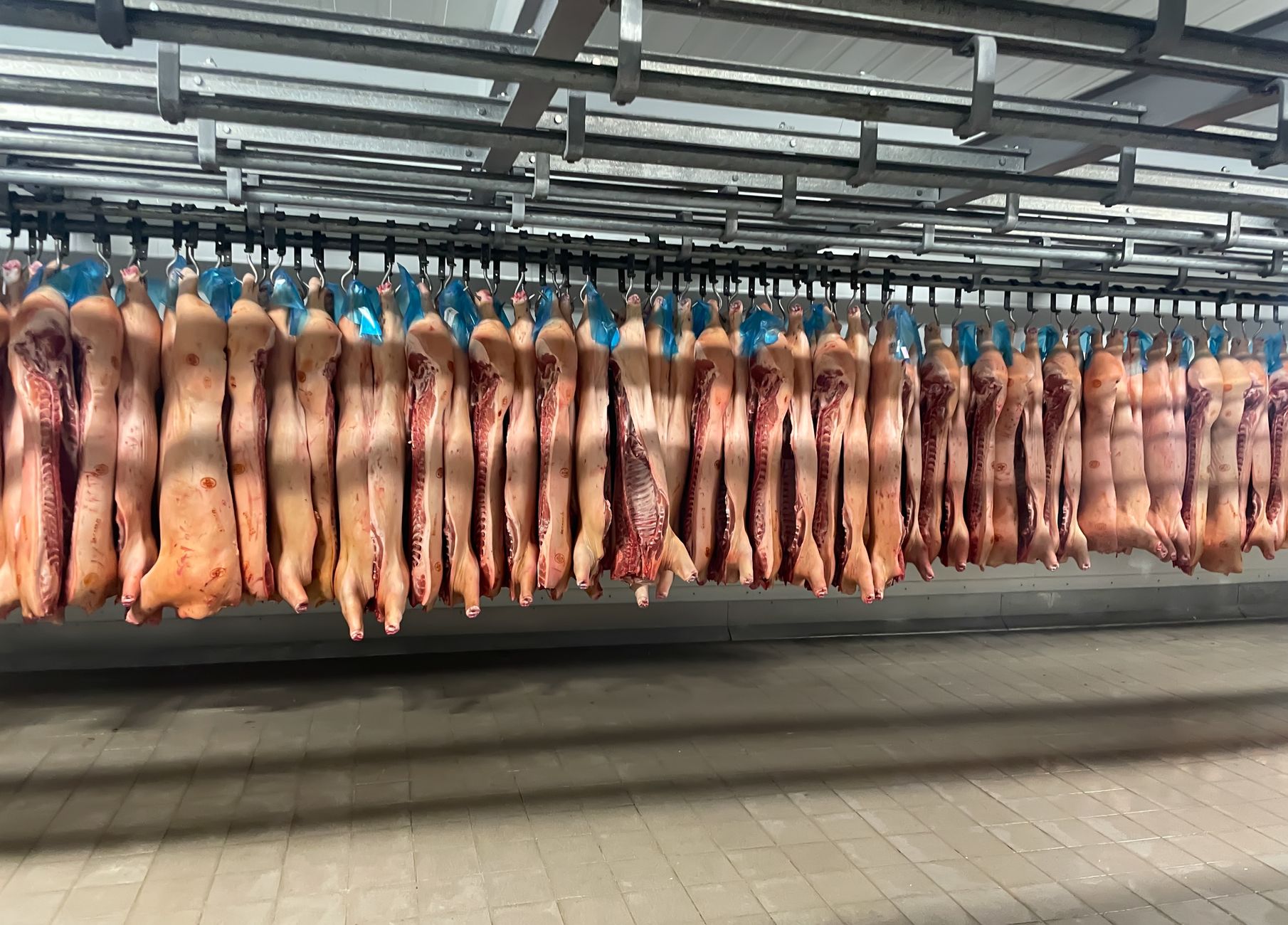
WA Abattoir Crisis: Visa Priority Changes Hit Employers
A ministerial direction issued in July 2026 has placed offshore skilled worker visa applications at the lowest processing priority, leaving WA meat producers without the workforce they need to operate.

Visa Delays Hit Australian Farms at Peak Season
Federal visa processing delays are hitting Australian farms at the worst possible time. Dairy and grain industries warn that staffing gaps are worsening as seasonal demand peaks.

Migration Reform Reportedly Heading to Parliament Next Week: What Onshore Visa Holders Should Do Now
Labor and the Coalition have held talks on a migration crackdown that could reach Parliament as early as next week. Here's what's reportedly on the table and what onshore visa holders should do now.
Common Questions about GSM
Still have questions?
Not always. You may have bridging rights or review options. Seek advice quickly due to strict deadlines.
Depends on your bridging visa conditions and status.
Tribunal review is unavailable; judicial review may be possible.
Still have questions?
Lorem ipsum dolor sit amet, consectetur adipiscing elit. Suspendisse varius enim in eros elementum tristique.