
Just A Click Away.
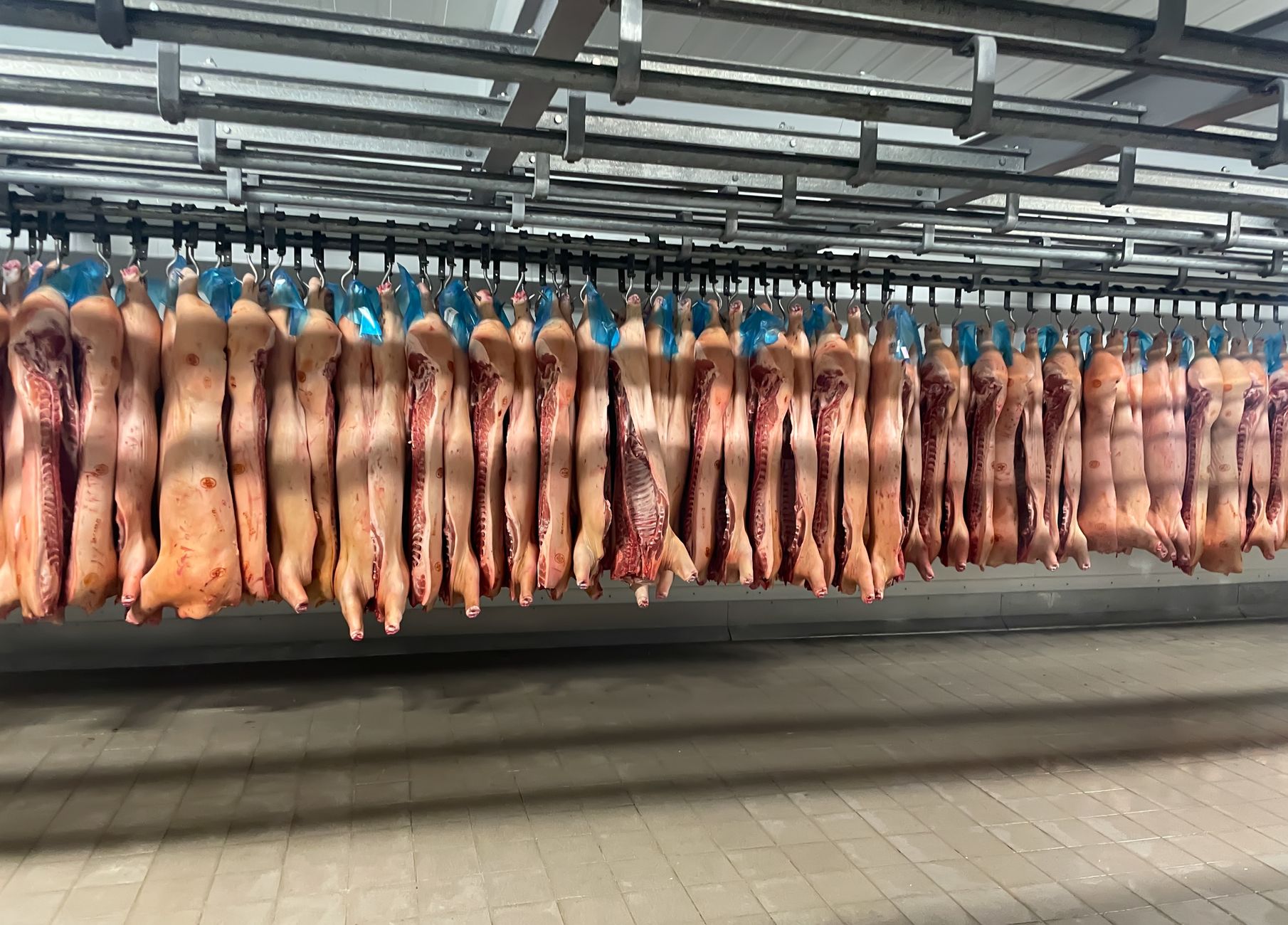
WA Abattoir Reopening Delayed as Offshore Visa Applications Stall
A new skilled visa processing direction that took effect on 25 July 2026 is creating challenges for regional employers that rely heavily on offshore sponsored workers.
Under Ministerial Direction 119 (MD119), most offshore skilled visa applicants who do not fall within the highest-priority categories are placed in Priority 5 — the lowest processing priority.
For regional employers in industries such as meat processing and agriculture, the impact is already being felt.
The Pindan Beef Co Case: $390,000 in Visa Fees
Yougawalla Pastoral Company is preparing to reopen the Pindan Beef Co abattoir near Broome in Western Australia.
The company had identified almost 30 skilled meat workers from the Philippines, along with 13 partners, to support the reopening. According to general manager Haydn Sale, approximately $390,000 in visa fees has already been paid, while the workers remain offshore.
The facility's soft opening has now been pushed to February 2027, with full commercial operations targeted for April 2027.
The employer also advertised 60 skilled positions locally. Only one Australian resident applied, and the employer said the applicant did not have the required skills.
Around 6,500 cattle originally prepared for processing later in 2026 will now need alternative arrangements.
Piggery Expansion Under Pressure in Southern WA
Hillcroft Farms near Narrogin is facing a similar workforce challenge while expanding its piggery from approximately 1,500 to 2,500 sows.
Overseas workers make up around 90% of its piggery workforce and more than half of its broader farm workforce.
Some workers recruited earlier this year, including workers from the Philippines, have already left their previous employment in anticipation of moving to Australia but remain offshore awaiting their visas.
The expansion is continuing, but with greater pressure on the existing workforce.
What Ministerial Direction 119 Actually Changes
MD119 does not cancel, suspend or refuse existing visa applications.
Instead, it determines the order in which certain skilled visa applications are processed.
The current priority order is broadly:
- Law enforcement and defence occupations — onshore
- Law enforcement and defence occupations — offshore
- Construction, healthcare and teaching occupations — onshore
- Other eligible applications — onshore
- Other eligible applications — offshore
This means many offshore applicants in industries such as meat processing and agriculture fall into Priority 5.
Their applications remain valid and continue to be processed, but being in a lower-priority cohort can mean longer and less predictable processing times.
Importantly, regional location and Accredited Sponsor status are no longer standalone processing priorities under MD119.
Which Employers Are Most Exposed?
Employers may be particularly affected where:
- their workforce strategy relies heavily on offshore sponsored workers
- they operate in regional or remote Australia
- the required skills are difficult to source locally
- planned opening, expansion or production dates depend on visa grants
- their sponsored occupations do not fall within the higher-priority categories under MD119
For these businesses, visa processing priority is becoming an important part of workforce planning — not simply an immigration issue.
Practical Steps for Affected Employers
- Check where your pending applications sit under MD119. Do not assume regional location or Accredited Sponsor status automatically provides faster processing.
- Review your workforce timeline. If key workers are offshore, assess whether current visa processing expectations still align with planned commencement or expansion dates.
- Review alternative sponsorship strategies carefully. Depending on the business, occupation and candidate, other employer-sponsored or Labour Agreement arrangements may need to be considered.
- Do not withdraw or re-lodge applications simply to chase a higher priority. Eligibility, visa status, nomination requirements and other migration consequences should be assessed first.
- Get advice early. If delayed sponsored workers are already affecting operations, reviewing the migration strategy before the problem becomes critical may preserve more options.
Key Takeaways
- MD119 took effect on 25 July 2026 and changed the processing priorities for certain skilled visas.
- Many offshore applicants outside the highest-priority occupation groups fall into Priority 5.
- Pindan Beef Co's reopening has been delayed while overseas skilled workers remain offshore, despite approximately $390,000 in visa fees having been paid.
- Applications in Priority 5 are not cancelled or suspended, but processing can be less predictable.
- Regional employers relying on offshore recruitment should now factor visa processing priority into workforce planning.
If your business relies on offshore sponsored workers, the key question is no longer just “Can we sponsor this person?”
It is also:
“Where will this application sit in the processing queue — and does that timing still work for the business?”
Getting that assessment right before committing to recruitment, sponsorship costs or operational deadlines can make a significant difference.
The content of this article is intended for general informational purposes only and does not constitute legal advice. Immigration law is complex and subject to change. The information provided may not reflect the most current legal developments. For advice specific to your circumstances, please consult a registered Australian migration lawyer. For full terms governing use of this website and its content, please refer to our Website Terms and Conditions.
Speak with a Riverwood Migration Lawyer
As a regulated Australian migration law practice, Riverwood Migration provides precise, personalised advice on visa strategy, compliance, and application preparation. Speak with our expert legal team. Book a consultation to discuss your circumstances.
Stay Informed on Australian Immigration Law
- YouTube: Johnny Kong | Migration Lawyer
- Instagram: @johnny_migrationlawyer
- Facebook: Riverwood Migration
- TikTok: @johnny_migrationlawyer
- Linktree: linktr.ee/johnny_lawyer