Just A Click Away.
Universities Expand, Federal Policy Contracts
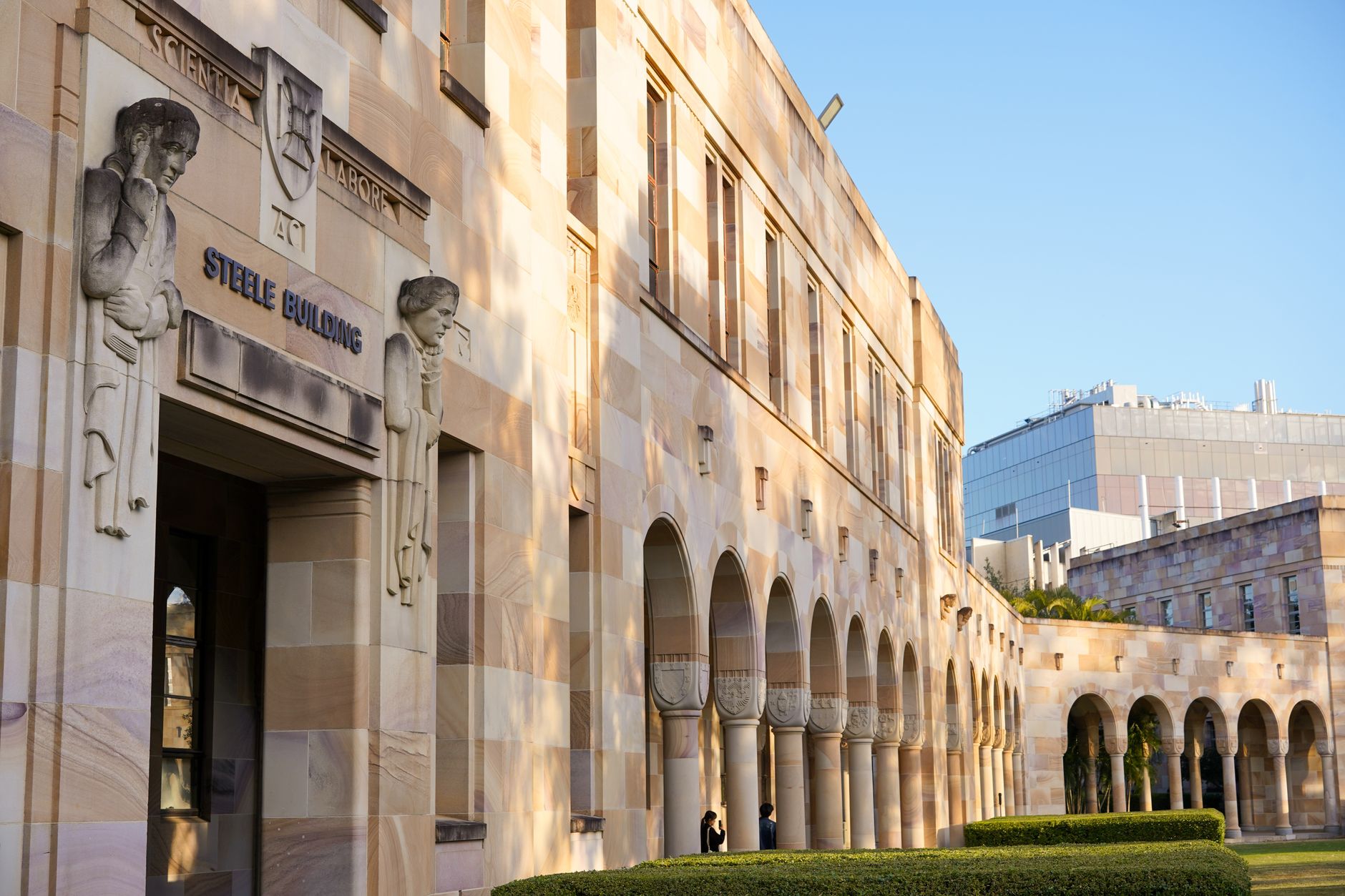
New South Wales universities recorded a 7.5% increase in international student enrolments last year, according to university statistical data reported by The Australian. This growth sits in direct tension with the Albanese government's stated policy objective of reducing Australia's temporary migration intake. Understanding that tension is essential for anyone currently planning a Subclass 500 student visa application.
Why the Gap Exists Between Policy and Practice
Australian universities operate under significant financial pressure. International student tuition fees represent a material proportion of university revenue, and this creates a structural incentive to recruit internationally even when federal immigration settings are tightening. The result is a supply-demand imbalance: universities are generating more offers than the visa grant environment can comfortably absorb.
The federal government's levers include annual immigration planning levels, the Genuine Student (GS) assessment requirement for student visa applicants, and policy guidance to the Department of Home Affairs on visa grant rates. Universities control admissions offers. These are separate systems, and they are currently pointing in opposite directions.
What the Genuine Student (GS) Requirement Means in Practice
Since late 2023, the Department of Home Affairs has applied the Genuine Student (GS) test to all Subclass 500 applicants. This test replaced the former Genuine Temporary Entrant (GTE) framework. Under GS, a delegate assesses whether the applicant's primary purpose is to undertake their course of study in Australia.
The practical consequence of the policy tension is straightforward: more applicants are competing for a grant environment under increased scrutiny. A university offer letter does not guarantee visa approval. The GS assessment is conducted independently of the university's enrolment decision.
Risk Factors That Draw Scrutiny Under GS
The following factors are commonly associated with closer GS scrutiny. Applicants in any of these categories should prepare their documentation with particular care.
- Course relevance: Where the proposed course has limited connection to the applicant's prior education or stated career goals, delegates will scrutinise the explanation provided.
- Financial capacity documentation: Funds must be demonstrably sufficient and genuinely available. Inconsistencies in bank statements or ownership of funds attract refusal risk.
- Ties to home country: Delegates consider whether the applicant has compelling reasons to return after study. Weak ties combined with a strong migration history can raise concerns.
- Previous visa history: Prior visa refusals, overstays, or conditions breaches in any country are material to the GS assessment.
- High-enrolment institutions: Where an institution has high refusal rates or is the subject of compliance action, applications from that institution may receive additional scrutiny.
What Applicants Should Do Now
- Obtain a genuine offer from a registered provider. Confirm the provider is registered on the Commonwealth Register of Institutions and Courses for Overseas Students (CRICOS) and that the course is appropriate to your academic background.
- Prepare a coherent study rationale. Your statement of purpose must explain why this course, at this institution, at this point in your career, is the logical next step. Vague or template statements do not satisfy GS.
- Compile financial evidence carefully. The standard financial requirement is evidence of sufficient funds for the first year of tuition and living costs. Funds should be held in your name or a parent's name with documented provenance.
- Address any adverse immigration history proactively. If you have a prior refusal or overstay, do not omit it. Proactive disclosure with context is far less damaging than a credibility finding.
- Seek legal advice before lodging. Given the current policy environment, an assessment of your individual risk profile before lodgement can prevent a refusal that would complicate future applications.
Key Takeaways
- NSW universities grew international enrolments by 7.5% last year, counter to federal temporary migration reduction goals.
- The Genuine Student (GS) test applies to all Subclass 500 applications and is assessed independently of a university offer.
- Policy tension between university recruitment and federal immigration settings means the grant environment is under heightened scrutiny.
- A university offer does not guarantee a visa. Applicants must satisfy GS criteria on their own merits.
- Applicants with adverse immigration history, weak study rationale, or unclear financial evidence face elevated refusal risk.
The content of this article is intended for general informational purposes only and does not constitute legal advice. Immigration law is complex and subject to change. The information provided may not reflect the most current legal developments. For advice specific to your circumstances, please consult a registered Australian migration lawyer. For full terms governing use of this website and its content, please refer to our Website Terms and Conditions.
Speak with a Riverwood Migration Lawyer
As a regulated Australian migration law practice, Riverwood Migration provides precise, personalised advice on visa strategy, compliance, and application preparation. Speak with our expert legal team. Book a consultation to discuss your circumstances.
Stay Informed on Australian Immigration Law
- YouTube: Johnny Kong | Migration Lawyer
- Instagram: @johnny_migrationlawyer
- Facebook: Riverwood Migration
- TikTok: @johnny_migrationlawyer
- Linktree: linktr.ee/johnny_lawyer