
Just A Click Away.
International students have become a major focus of Australia’s migration and housing debate. They have been blamed for population pressure, rising rents and growing university revenue, leading to repeated policy changes since late 2023.
However, recent research from Victoria University suggests that the scale of Australia’s so-called international student boom may be overstated.
According to Department of Home Affairs data analysed by Victoria University, the number of Student visa holders physically present in Australia in March 2026 was slightly lower than the level recorded before the pandemic in 2019.
The apparent boom partly comes down to how migration data is measured.
Why Migration Data Can Be Misleading
Net overseas migration, commonly known as NOM, measures people who spend at least 12 months in Australia within a 16-month period.
It includes temporary visa holders such as international students, working holiday makers and temporary graduates.
However, NOM figures do not simply show how many international students are currently living or studying in Australia.
Migration movements are generally classified according to the visa connected with a person’s arrival or departure. If someone arrives on a Subclass 500 Student visa and later changes to a Subclass 485 Temporary Graduate visa, that later visa change does not retrospectively alter how the original arrival was classified.
This means the student component of NOM can remain high even when many of the people counted are no longer studying.
Victoria University’s analysis estimates that student-visa movements accounted for approximately 1.25 million people, or 36%, of cumulative net overseas migration growth between 2012 and 2026.
Over the same period, the number of Student visa holders physically present in Australia increased by only around 265,000.
These figures are not contradictory. They measure different things.
One measures migration movements over time, while the other measures the number of Student visa holders physically present in Australia at a particular point.
Government Policy Has Tightened
Despite the more complicated data picture, the Australian Government has introduced a range of measures to manage international student growth and strengthen the integrity of the education system.
The National Planning Level for 2027 has been set at 295,000 new overseas student commencements, maintaining the same overall level as 2026.
This is not a simple cap on every Student visa granted. It relates to new overseas student commencements and operates alongside provider allocations, exemptions and visa-processing priorities.
The primary Student visa application charge also increased from A$2,000 to A$2,500 on 1 July 2026.
Certain applicants may still qualify for reduced or concessionary charges, depending on their passport, course type or other circumstances.
Education Minister Jason Clare has repeatedly stated that international education must remain sustainable and operate in Australia’s national interest.
International Student Revenue Is Highly Concentrated
International student enrolments and revenue are not evenly distributed across Australian universities.
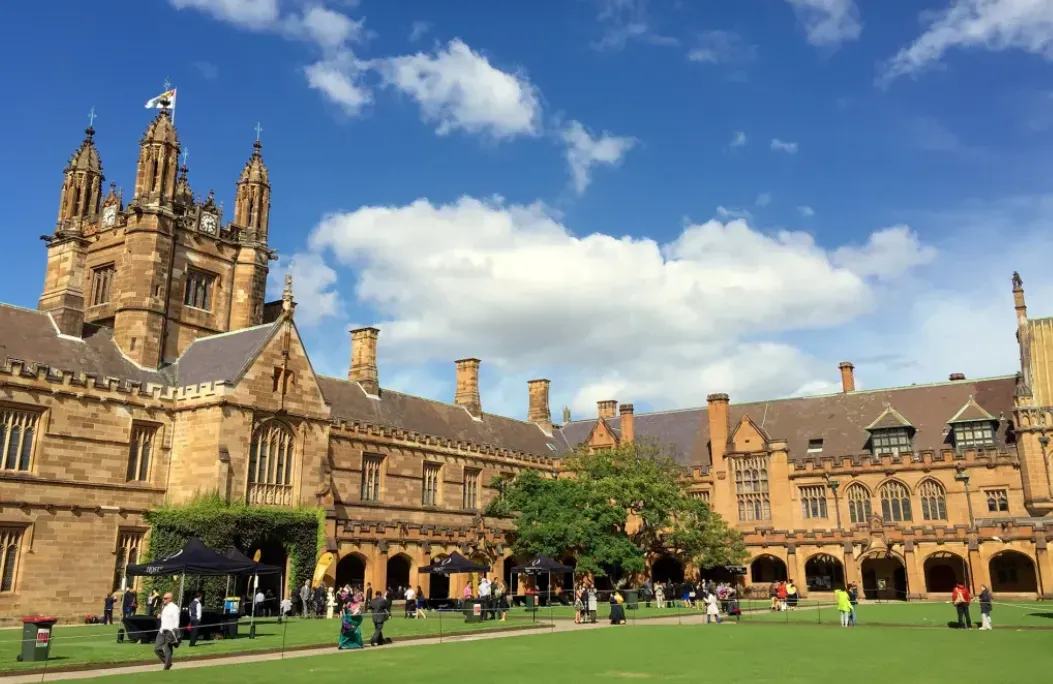
In 2024, five universities accounted for approximately 35% of international student enrolments and almost 50% of international student revenue across the university sector:
- University of Sydney
- UNSW Sydney
- University of Melbourne
- Monash University
- University of Queensland
This means changes to international education policy do not affect every institution in the same way.
Large metropolitan universities with significant international enrolments are exposed differently from smaller and regional institutions, which may rely on international education in different ways.
What This Means for Student Visa Applicants
For prospective international students, the policy environment in 2026 is more restrictive than it was in 2022 or 2023.
The Genuine Student requirement applies to Student visa applications lodged on or after 23 March 2024.
Applicants must show that studying is the primary purpose of their stay in Australia. Their application should be supported by a credible course choice, personal and financial circumstances, previous study or employment history and a clear explanation of how the course will benefit them.
The GS requirement does not mean applicants must promise that they will never apply for permanent residency in the future. However, their immediate and genuine purpose must be to study.
Provider allocations and visa-processing priorities may also affect the timing and availability of some offshore student places. Applicants should confirm current intake availability directly with their education provider before making major financial or travel commitments.
Eligible graduates may still apply for a Subclass 485 Temporary Graduate visa, but this is not an automatic pathway.
Applicants must meet the relevant age, English, qualification, Australian study, timing and stream-specific requirements in force at the time of application.
The higher Student visa application charge should also be included in the applicant’s overall financial planning.
Key Takeaways
The international student situation in Australia is more complicated than the headline migration figures suggest.
The number of Student visa holders physically present in Australia in March 2026 was slightly lower than the pre-pandemic level recorded in 2019.
NOM figures can make the student contribution appear larger because they measure migration movements rather than the number of people currently studying.
At the same time, the Australian Government has tightened the international education system through higher visa fees, managed commencement levels, stronger integrity settings and greater scrutiny of Student visa applications.
For applicants, a well-prepared Subclass 500 application now requires more than an offer letter and proof of funds. The course choice, financial evidence, personal background and overall study plan must be clear, credible and consistent.
Applicants with complicated visa histories, previous refusals, course changes or unclear study pathways should obtain professional advice before lodging their application.
The content of this article is intended for general informational purposes only and does not constitute legal advice. Immigration law is complex and subject to change. The information provided may not reflect the most current legal developments. For advice specific to your circumstances, please consult a registered Australian migration lawyer. For full terms governing use of this website and its content, please refer to our Website Terms and Conditions.
Speak with a Riverwood Migration Lawyer
As a regulated Australian migration law practice, Riverwood Migration provides precise, personalised advice on visa strategy, compliance, and application preparation. Speak with our expert legal team. Book a consultation to discuss your circumstances.
Stay Informed on Australian Immigration Law
- YouTube: Johnny Kong | Migration Lawyer
- Instagram: @johnny_migrationlawyer
- Facebook: Riverwood Migration
- TikTok: @johnny_migrationlawyer
- Linktree: linktr.ee/johnny_lawyer