Just A Click Away.
Every February, Australian airports see a new wave of international students arriving to start their studies.
Most students prepare carefully — packing lists, accommodation plans, bank cards and phone plans. But in our experience, what truly determines whether you can study smoothly, secure a post-study work visa, or even keep long-term options open in Australia is not those visible preparations.
It is the small, often overlooked compliance details.
At Riverwood Migration , we have advised thousands of international students over the years. A common pattern we see is this: many students do not fail because their background is weak, or because they intentionally break the rules. Instead, problems arise because misunderstandings begin from the moment they arrive in Australia — and those early issues can be very difficult to fix later.
If you already hold a student visa, or are preparing to travel to Australia, this article explains six high-risk compliance points in clear, practical terms — so you can avoid unnecessary problems before they begin.
01 A student visa does not “end at grant” — compliance starts at entry
For many first-time international students, receiving a student visa feels like crossing the finish line. In reality, from the Department of Home Affairs’ perspective, your visa compliance record starts the moment you enter Australia.
In real cases we see, students often discover issues only when they later apply for a new student visa or a Temporary Graduate (subclass 485) visa. Common early problems include:
- Changing courses without notifying the education provider within a reasonable timeframe
- Updating a new address informally, without realising that address notification is a visa condition
- Working excessive hours or having prolonged absences from study, assuming “no one checks”
These actions may not immediately cancel a visa, but they form part of a long-term compliance record. That record can be reviewed again when you apply for a work visa — or even permanent residence.
Simply put, a student visa is not a one-off permission. It is a long-term agreement. Understanding your obligations early is far more important than just “getting through” entry.

02 Your pre-departure documents are not just for entry — they are risk protection
Most students travel with their passport and visa grant notice. However, given the current border and verification environment, we strongly recommend preparing the following documents in both hard copy and digital form:
- Core documents: student visa grant letter, Confirmation of Enrolment (CoE), offer letter
- Supporting evidence: Overseas Student Health Cover (OSHC), proof of funds covering 3–6 months, certified or officially translated academic transcripts
- Backup information: emergency contacts (home country and Australia), accommodation confirmation, vaccination or medical records where applicable
Why this level of preparation?
Border checks involving international students have become more detailed, and random secondary checks are more common than before. If there are system issues, network delays, or further questioning, having clear documentation allows you to demonstrate your genuine study purpose quickly and confidently.
Two critical reminders:
- Carrying cash of AUD 10,000 or more must be declared. Failure to declare may lead to seizure or fines.
- For items you are unsure about (such as certain foods or herbal products), declaring is always safer than guessing. Honest declaration usually carries the lowest risk.

03 Medications and food are the highest-risk items at the border
Many students bring medicines or snacks from home without realising that these are among the most strictly regulated items in Australia.
A practical way to understand the rules:
Medications
- Cold medicines, pain relief products, traditional or herbal medicines may contain restricted ingredients
- The safest approach is to check official lists, keep items in original packaging, and carry English explanations
- Prescription medicines should be supported by an English prescription or medical letter
- If unsure, declare the item on your incoming passenger card
Food
- Meat, dairy, eggs, fresh fruit, seeds, nuts and honey are heavily regulated
- Students often assume “small amounts don’t matter”, but penalties usually arise because items were not declared, not because they were carried
- Fines for undeclared food have increased significantly and can reach thousands of dollars
A key point many people miss: border enforcement focuses on whether you declared honestly, not whether you intended to breach the rules. Lack of knowledge is not a defence.
The safest rule is simple: bring less, check more, and declare when in doubt.
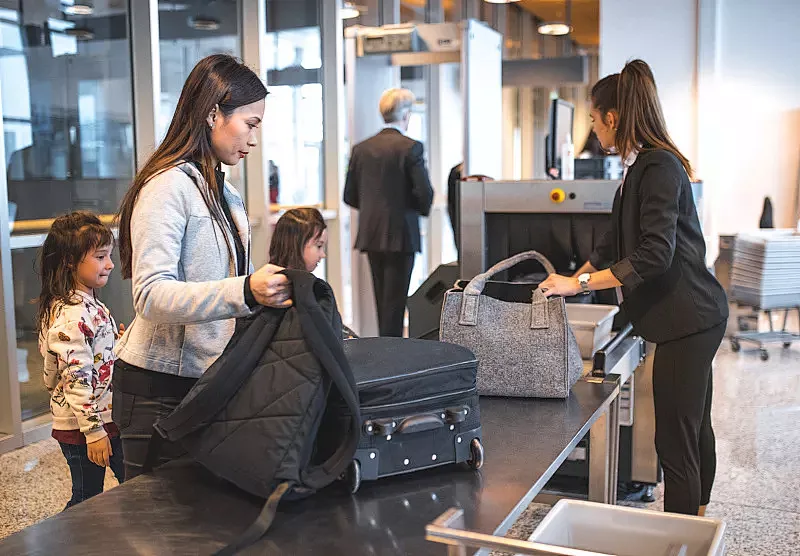
04 Every step at the airport creates a record
Australia’s entry process appears straightforward: arrival card, self-service clearance, baggage collection, possible inspection. However, each step contributes to your immigration record.
Important points to keep in mind:
- Arrival card answers are legally binding
- Declaring restricted items is always safer than denying and being discovered
- Secondary questioning is usually routine — prepare a clear explanation of your course, institution, study duration and accommodation
- During baggage checks, cooperation matters. Attempts to conceal, discard or deny items can be recorded as dishonesty
While entry may feel brief to you, records can remain accessible for years and may be reviewed during future visa applications.
05 The first few days after arrival matter more than most students realise
After landing, two administrative tasks should be completed as early as possible:
USI (Unique Student Identifier)
This identifier links your enrolments, academic outcomes and qualifications in Australia. Many institutions require it before releasing results or certificates, and it may be referenced during future visa assessments.
Address updates
Student visa holders are generally required to notify their education provider of their Australian address shortly after arrival. Informal messages or group chats do not replace official system updates.
Many visa complications arise simply because early records were incomplete or inconsistent.
06 Your first student visa has a long memory
Some students assume they can “start anywhere” and adjust later. Under current assessment trends, your first student visa is often treated as the foundation of your entire study and migration history.
Decision-makers may examine:
- Whether your original application was genuine and coherent
- Whether study was continuous and consistent
- Whether course changes were logical and properly explained
- Whether personal details were updated as required
We regularly see issues arise not from one mistake, but from a pattern formed early without planning.
If you are considering post-study work rights or long-term options, course selection, transfers and compliance should be considered before departure, not after problems appear.
07 Final thoughts
If your only goal is to complete a course and return home, many of these details may seem minor. But if you are even considering working in Australia after graduation — or keeping future options open — compliance begins much earlier than most people expect.
At Riverwood Migration Lawyers, we assist international students with student visa compliance, post-study work visas and long-term pathway planning. We have seen how small early issues can become major obstacles — and how early clarity can make the entire journey far smoother.
Understanding the rules early gives you more control later.
If you are unsure about your current visa, course structure or future options, it is always easier to check early than to fix problems after they arise.
📅 Book a Consultation: www.riverwoodmigration.com/book-a-consultation
💼 Speak with a Migration Lawyer: enquiry@riverwoodmigration.com
💬 Chat with Johnny: https://linktr.ee/johnny_lawyer