
Just A Click Away.
The tragic events at Bondi have precipitated a significant moment of national reflection and policy recalibration in Australia. The discourse has swiftly expanded from immediate community safety to encompass the integrity of the nation’s immigration systems and the legal frameworks designed to uphold social cohesion. In this climate of proposed change, uncertainty can be a major source of anxiety for migrants, temporary residents, and prospective applicants. At Riverwood Migration, our role is to cut through the headlines, provide evidence-based analysis, and offer strategic guidance. This comprehensive blog delves into the government’s announced measures, their legal and practical implications, and provides actionable advice for navigating the evolving landscape.
Section 1: Context – From Community Tragedy to Policy Review
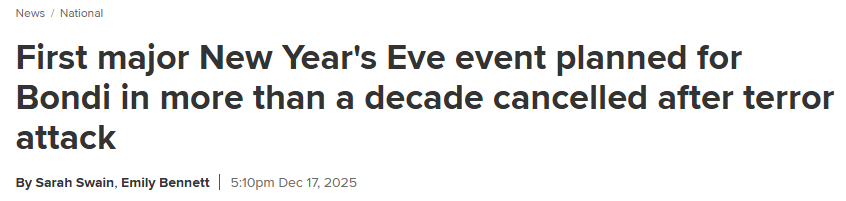
The involvement of an individual who migrated to Australia on a student visa in the Bondi attack has inevitably focused public and political attention on the systems designed to screen for threats to Australian society. While it is crucial to avoid broad-stroke judgements, the mechanism for ensuring migrants adhere to Australian values has come under scrutiny.
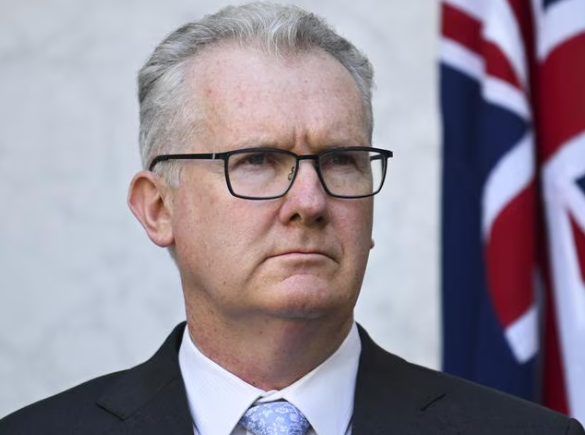
Assistant Minister for Immigration, Matt Thistlethwaite, explicitly confirmed this shift, stating the government would “re-examine immigration settings to ensure people who hold anti-Semitic views, extremist views, aren’t allowed to migrate to our country.” This statement, reported by ABC News, set the stage for more substantial announcements.
Section 2: The Government’s Five-Point Plan & New Visa Powers
Prime Minister Anthony Albanese’s subsequent announcement, covered extensively by outlets like News.com.au and SBS News, outlines a multi-pronged legislative approach:
- New Aggravated Hate Speech Offences: Targeting religious or community leaders who preach violence.
- Increased Penalties: Harsher sentences for hate speech that incites violence.
- Hate as a Sentencing Factor: Mandating courts to consider hate as an aggravating factor in crimes like online threats and harassment.
- Listing of Extremist Organisations: A new framework to proscribe groups whose leaders advocate violence or racial hatred.
- New Federal Vilification Laws: Creating specific crimes for severe racial vilification and advocacy of racial superiority.
The Core Migration-Related Change: Crucially, the PM announced that the Home Affairs Minister will be granted new powers to cancel or refuse visas for non-citizens who engage in, or are likely to engage in, conduct that “spreads hate and division” within the Australian community. This represents a potential expansion of existing character and national security provisions under the Migration Act 1958.

Section 3: Precedents and the Existing “Values” Framework
This is not an entirely new concept. The mandatory Australian Values Statement, which most visa applicants must sign, already requires an commitment to Australian values like respect for individual freedom, equality, the rule of law, and democracy.
The case of Matthew Grant in November 2023 is a clear precedent. As reported by Daily Mail Australia, his visa was cancelled on character grounds following his participation in a neo-Nazi rally outside the NSW Parliament. The government’s new proposals seek to systematise and strengthen such responses.
Section 5: Expert Recommendations from Riverwood Migration
- Do Not Panic, But Be Proactive: This is a time for informed caution, not alarm. The fundamental principles of Australian migration remain.
- Conduct a Digital Footprint Review: Critically assess your social media and public online presence. Remove or make private any content that could be misconstrued as promoting division, hate, or intolerance, even in historical posts.
- Seek Advice Before Making Statements: If you are involved in community advocacy or public discourse, understanding the legal line between robust debate and potentially sanctionable hate speech is crucial.
- Professional Guidance is Key: The interpretation of broad terms like “spreading division” will be complex. A registered migration agent or lawyer can help you present your application in a manner that positively demonstrates your commitment to Australian society.
- Stay Informed via Official Channels: Rely on updates from the Department of Home Affairs or trusted legal professionals, not social media speculation.
Conclusion: A Landscape in Evolution, Not Revolution
Australia’s response seeks to reinforce the social contract that underpins its successful multicultural society. For the vast majority of migrants who contribute positively, these changes reaffirm the safety and values of their chosen home. However, they also introduce new compliance layers.
At Riverwood Migration, we combine decades of experience with up-to-the-minute analysis of legislative trends. We are positioned to guide you through this period of change, ensuring your application is robust, compliant, and strategically sound.
Your migration journey deserves certainty and expert strategy. If you have concerns about your current visa status, a pending application, or future plans, contact Riverwood Migration today for a comprehensive consultation. Let us help you navigate the new terrain with confidence.
Disclaimer: This article is based on publicly available government announcements and reports from authoritative media sources. It is intended for general informational purposes only and does not constitute personalised migration legal advice. Immigration law is complex and subject to change. You should consult a registered migration agent or lawyer for advice pertaining to your individual circumstances.
📅 Book a Consultation: https://calendly.com/getprfaster💼 Speak with a Migration Lawyer: enquiry@riverwoodmigration.com💬 Chat with Johnny: https://linktr.ee/johnny_lawyer