Just A Click Away.
According to The Australian, several Australian universities have confirmed that international student tuition fees will increase from 2026. The planned rises are well above the national inflation rate (around 2.1%), with some programs set to increase by more than 10% in a single adjustment.
For students planning to study in Australia, this means education costs will be significantly higher than they are now. For families in Hong Kong and China, early planning is becoming essential.
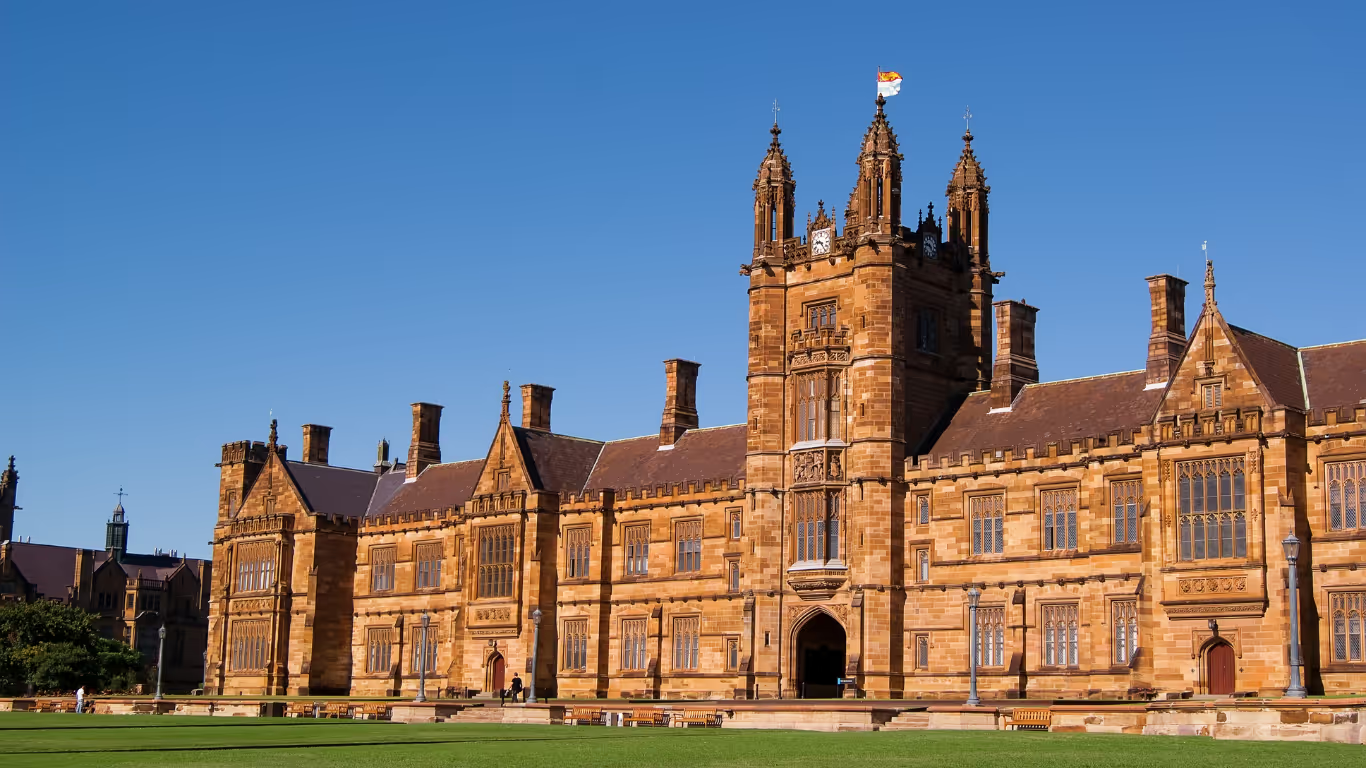
Source: Internet
Tuition Fee Trends
Many Australian universities have confirmed that international student fees will rise across the board in 2026. Popular programs such as business, medicine, engineering and law are expected to see increases of over 10%, with annual fees of AUD 60,000 or more becoming the norm.
For those pursuing a 3–4 year undergraduate or postgraduate degree, total costs may rise by tens of thousands of dollars compared to current levels.
Why Are Fees Going Up?
1.Dependence on international student revenue
International tuition has become a critical source of university funding. For example, in 2024, the University of Sydney recorded more than AUD 1.6 billion in international student fee income.
2.Policy constraints
From 2025, the Australian Government has capped international student numbers, with a nationwide quota of around 295,000 places in 2026. Universities can no longer rely on growth in student numbers to maintain revenue, and are turning to fee increases instead.
3.Global rankings and positioning
With QS rankings steadily improving, many universities are using fee adjustments to reinforce their positioning as providers of “world-class” education.
Implications for Hong Kong Families
- Rising financial pressure: Families with children studying in Sydney, Melbourne and other major cities will face much higher overall costs.
- Apply early to lock in current rates: Students who secure a place for 2025 entry may be able to avoid the 2026 fee increases.
- Explore other regions and pathways: Universities and TAFE courses in Adelaide, Hobart and Brisbane often offer better value, alongside additional migration incentives for regional study.
- Choose the right program, not just the “big name”: Professions such as nursing, education, engineering, IT, psychology and social work remain in long-term demand, offering strong job prospects and migration advantages.
Riverwood’s Advice: Managing Rising Costs
- Start in 2025 if possible: Applying before the fee hikes could save families tens of thousands of dollars.
- Combine program and location planning: Don’t focus only on Sydney or Melbourne; regional study options may offer both savings and migration benefits.
- Plan with study and migration in mind: Consider tuition affordability, post-graduation work opportunities and migration pathways together from the start.
From 2026, international students will face a new wave of tuition fee increases at Australian universities. For families in Hong Kong and China, the earlier you plan and apply, the more you can save — and the better you can align education goals with long-term migration outcomes.
If you have any questions, please feel free to contact us at Riverwood Migration (Email: enquiry@riverwoodmigration.com), or book a consultation. We are committed to providing transparent and professional migration services to help you secure your visa and achieve your goal of moving to Australia.